
Petrol and Diesel Power Weeder: Buy Agricultural Power Weeders Online (5 HP to 9 HP)
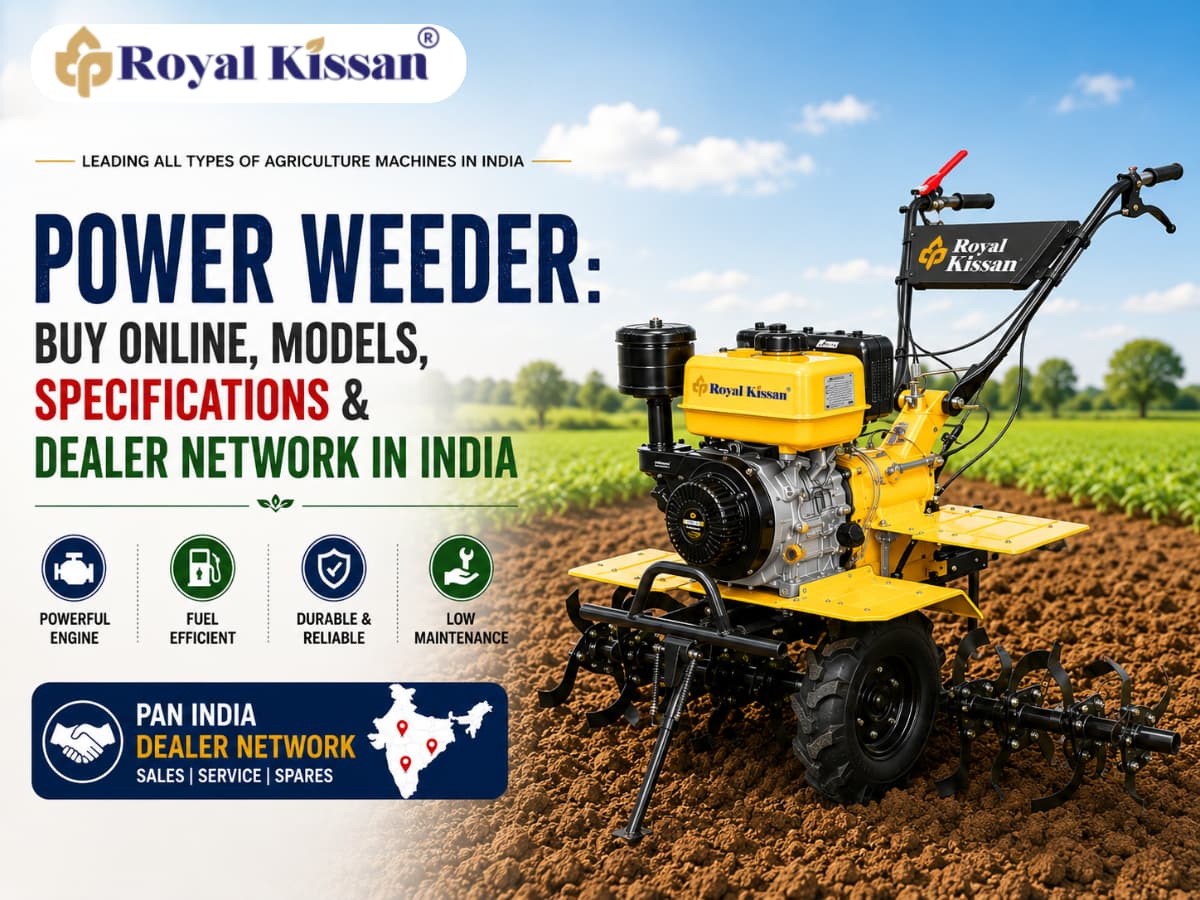
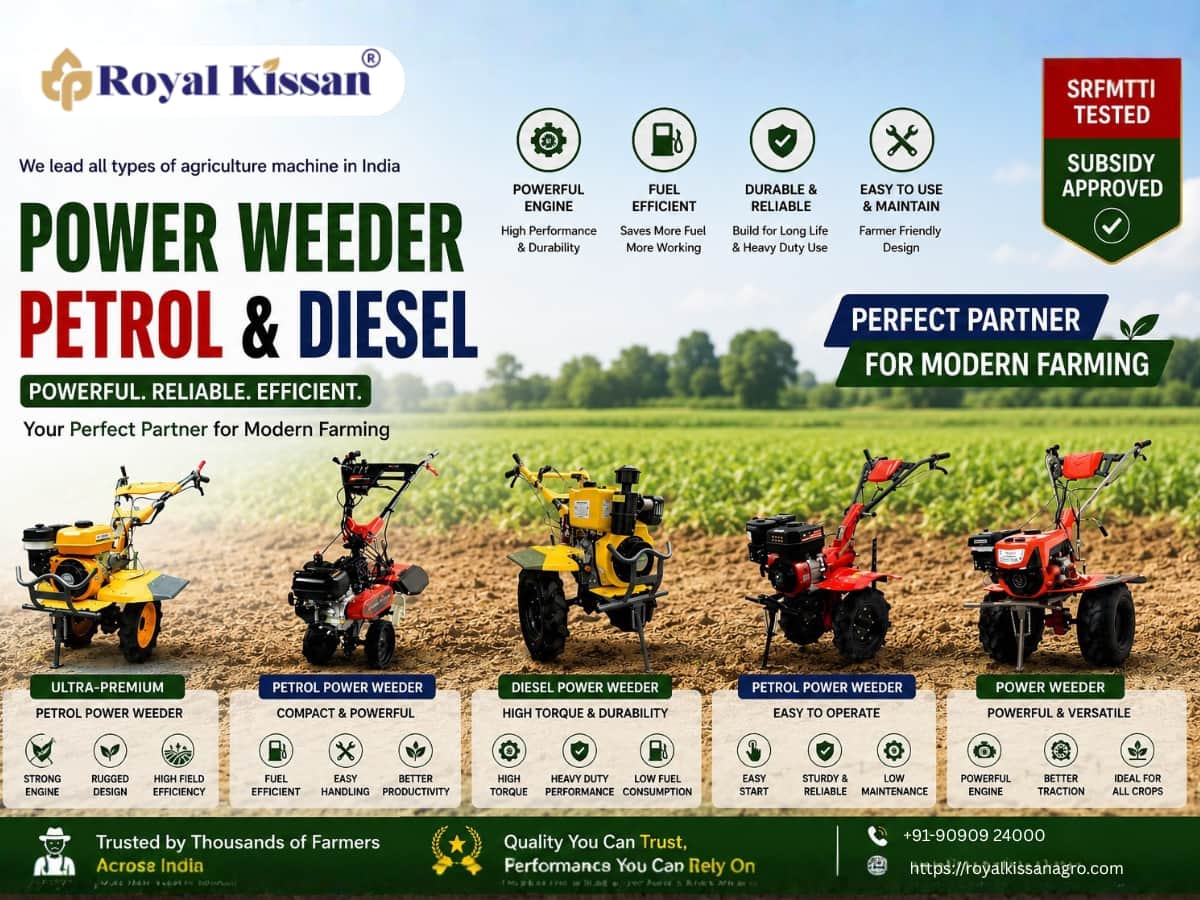
Royal Kissan manufactures power weeders using petrol as well as diesel in the range of 5 HP to 9 HP, including Classic, Premium, and Ultra Premium series. This guide covers the top models, petrol vs diesel pricing factors, and how India’s low weeding-mechanization rate makes this a practical upgrade for most farms.
Key Takeaways
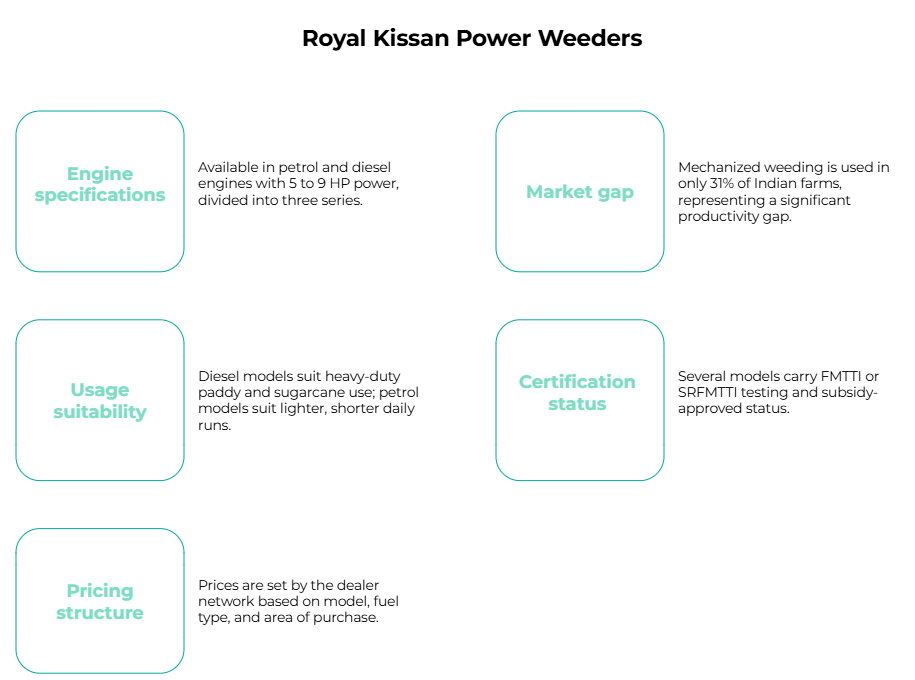
- Royal Kissan offers its Power Weeders in petrol and diesel engines with the power of 5 to 9 HP, divided into three series.
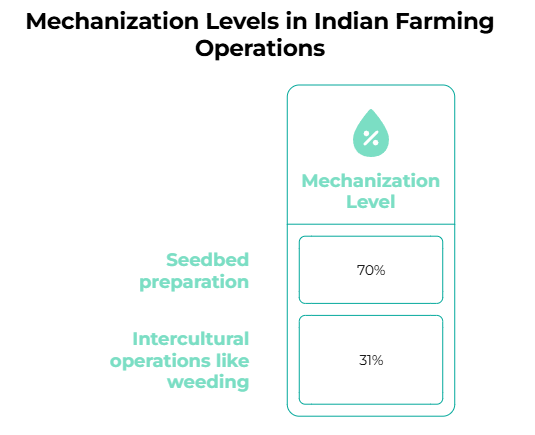
- Intercultural operations like weeding are mechanized in only about 31% of Indian farms, well below tillage, which makes power weeders one of the bigger productivity gaps left to close.
- Diesel models suit continuous, heavy-duty use in paddy and sugarcane; petrol models suit shorter daily runs and lighter handling.
- Several models carry FMTTI or SRFMTTI testing and subsidy-approved status.
- The price of this device is not defined; Laid down by the Royal Kissan dealer network, which assures customers of pricing based on model, type of fuel, and area of purchase.
What is a Power Weeder and How Does it Function?
A power weeder is one of the engine-driven machines that uses rotating blades to cultivate the soil and remove the weeds from between the crops. It replaces manual hoeing, which is still how a large share of Indian weeding gets done today.
A petrol-powered weeder works on a 4-stroke engine with recoil start, while diesel-powered weeders, although not very handy, work for a longer time and provide more consistent torque at heavy loads. Both types are connected with gearboxes, which provide the needed drive for a blade or tiller, with the operator guiding the machine from behind through handlebars.
Top Power Weeder Models in India (Royal Kissan)
|
Model |
Fuel | HP (approx.) | Engine |
Notable Feature |
|
NB-ICP-C170 (Classic) |
Petrol | 5.5 HP | 212cc, 4-stroke | 32 blades, solid tyres, recoil start |
|
RK-ICP-P177-LDE (Premium) |
Petrol | 7.5 HP | 270cc, 4-stroke |
40 blades, ATV tyres |
|
RK-170F / RK-ICP-UP170-SH (Ultra Premium) |
Petrol | 5.17–5.44 HP | 212cc, 4-stroke |
Shock absorber, subsidy approved |
|
RK-173F (Ultra Premium) |
Diesel | 7 HP | 247cc, 4-stroke |
FMTTI tested, subsidy approved |
|
RK-ICD-UP186-SH (Ultra Premium) |
Diesel | 7.93 HP | 4-stroke |
SRFMTTI tested, subsidy approved |
| NB-ICD-C186 (Classic) | Diesel | 8.5 HP | 418cc, 4-stroke |
Part of the 9 HP diesel lineup |
Diesel models top out closer to 9 HP in the current range, which is why they show up more in sugarcane and paddy operations that run long hours in heavy soil.
Power Weeder Petrol vs Diesel: Which Should You Buy?
Choose petrol for lighter handling and shorter daily runs; choose diesel for continuous, heavy-duty fieldwork. Petrol models are easier to start and maintain for routine weeding on small to medium farms. Diesel models cost more upfront but deliver more runtime per fuel tank and hold up better under sustained load, which is why paddy and sugarcane growers lean toward diesel.
Fuel cost also plays into this. Diesel is generally cheaper per litre than petrol in India, so a diesel weeder running long daily hours can offset its higher purchase price over time, though the exact savings depend on local fuel prices and how many hours the machine runs.
Power Weeder Price List and What Affects It
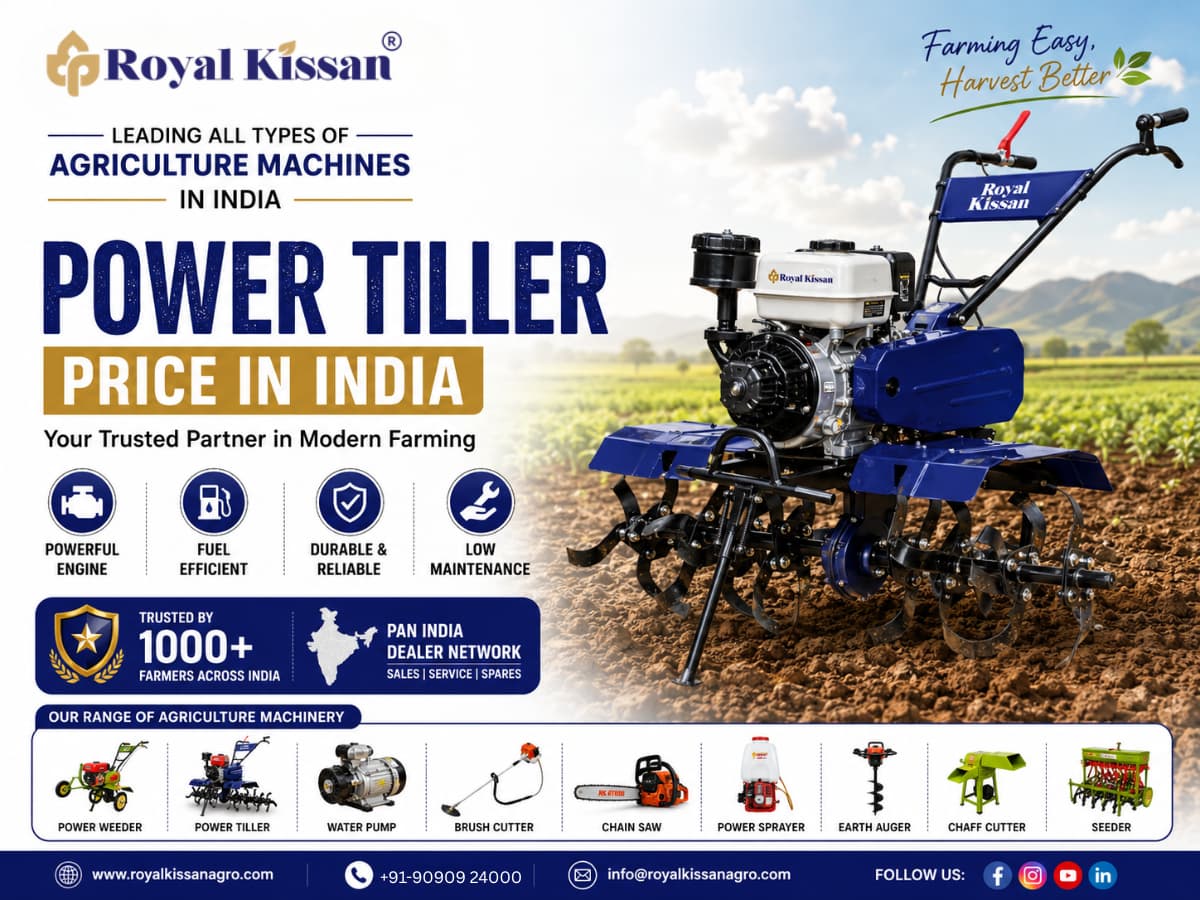
Royal Kissan doesn’t publish a fixed price list. Power weeder pricing depends on the model’s HP, fuel type, series tier, and features like electric start or ATV tyres, and it’s quoted through the dealer network rather than online checkout. A 5 HP petrol Classic model will be priced lower than a 7 to 9 HP diesel Ultra Premium model with subsidy-tested certification.
To get an accurate price, submit an enquiry for the specific model on Royal Kissan’s website; a dealer in your area will follow up with current pricing.
Why Mechanized Weeding Matters for Indian Farms
India’s overall farm mechanization stood at around 47% as of 2022, but that figure hides a wide gap between operations. Mechanization runs at roughly 70% for seedbed preparation but only about 31% for intercultural operations like weeding, which means weeding is one of the least mechanized parts of the farming cycle in India. Small and marginal holdings under two hectares make up about 86% of total operational farmland, and many of these farmers still weed by hand because full-sized equipment isn’t practical on small plots. A lighter, walk-behind power weeder fits that gap better than a tractor-mounted implement does.
Why Machines Struggle More in Rice Cultivation
Weeding and land preparation machinery see less use in paddy fields than in dry-land crops, mainly because of how rice is grown. Traditionally, rice farming has been referred to as “hoe-culture,” a technique unsuitable for mechanization since the fields need to be watered and puddled in advance. Equipment like machines that are meant to transplant seedlings consume more power while working on a wet and muddy field, and they work poorly in fields with uneven terrain, which is the case for the majority of rice fields in India. Diesel machines are better than gas ones because they were designed to work in bad and saturated soils, which is another reason diesel has such great popularity among states that cultivate rice.
Do Farmers Struggle to Repair Farm Equipment?
Repair and upkeep are a recurring barrier, mainly because of distance from service points rather than the equipment itself. There are studies showing that the lack of awareness in terms of maintenance or the absence of skilled technical experts is one of the hindrances for farmers to adopt mechanization. Also, farmers need to buy from a company with an effective network of local representatives, since there will be no point in buying a machine if there is nobody to carry out the maintenance.
How to Choose the Right Power Weeder
- Small farms, vegetable fields, soft soil: a 5 to 5.5 HP petrol Classic model.
- Orchards and medium farms: a Premium petrol model with more blades for tighter row spacing.
- Paddy, sugarcane, heavy or wet soil: a 7 to 9 HP diesel Ultra Premium model.
- Subsidy applicants: stick to FMTTI- or SRFMTTI-tested, subsidy-approved models and confirm your state’s current approved list before applying.
[Image: power-weeder-hp-comparison-chart. webp — side-by-side comparison of Classic, Premium, and Ultra Premium power weeder series, alt text: “Comparison chart of Royal Kissan power weeder series by HP”]
Frequently Asked Questions
Which is better, petrol or diesel power weeder?
Neither is universally better. Petrol suits lighter, shorter-duration work; diesel suits continuous heavy-duty use in paddy and sugarcane fields.
What is the price of a 7 HP power weeder?
Royal Kissan doesn’t list fixed prices online. A 7 HP model’s price depends on fuel type, series, and features, and is quoted through the dealer network after an enquiry.
How many Indian farmers use modern agricultural machinery?
Overall farm mechanization in India is around 47%, but weeding specifically is mechanized in only about 31% of operations, well behind land preparation at 70%.
Why is rice cultivation harder to mechanize than other crops?
Paddy fields are flooded and puddled before planting, and machines need more power to move through wet, waterlogged soil. Small or irregularly shaped paddy plots also reduce machine efficiency.
Are Royal Kissan power weeders eligible for subsidy?
Several models are, including FMTTI and SRFMTTI tested units. Eligibility and approved model lists vary by state and change each cycle, so confirm with your local agriculture office before applying.
Conclusion
Weeding remains one of the least mechanized parts of Indian farming, and the right power weeder, petrol or diesel, closes that gap without the cost of a full tractor implement. Match the fuel type and HP to your soil and crop, check subsidy status if that applies to you, and enquire through Royal Kissan’s dealer network for current pricing on the model that fits your field.