Reliable Irrigation for Indian Farms
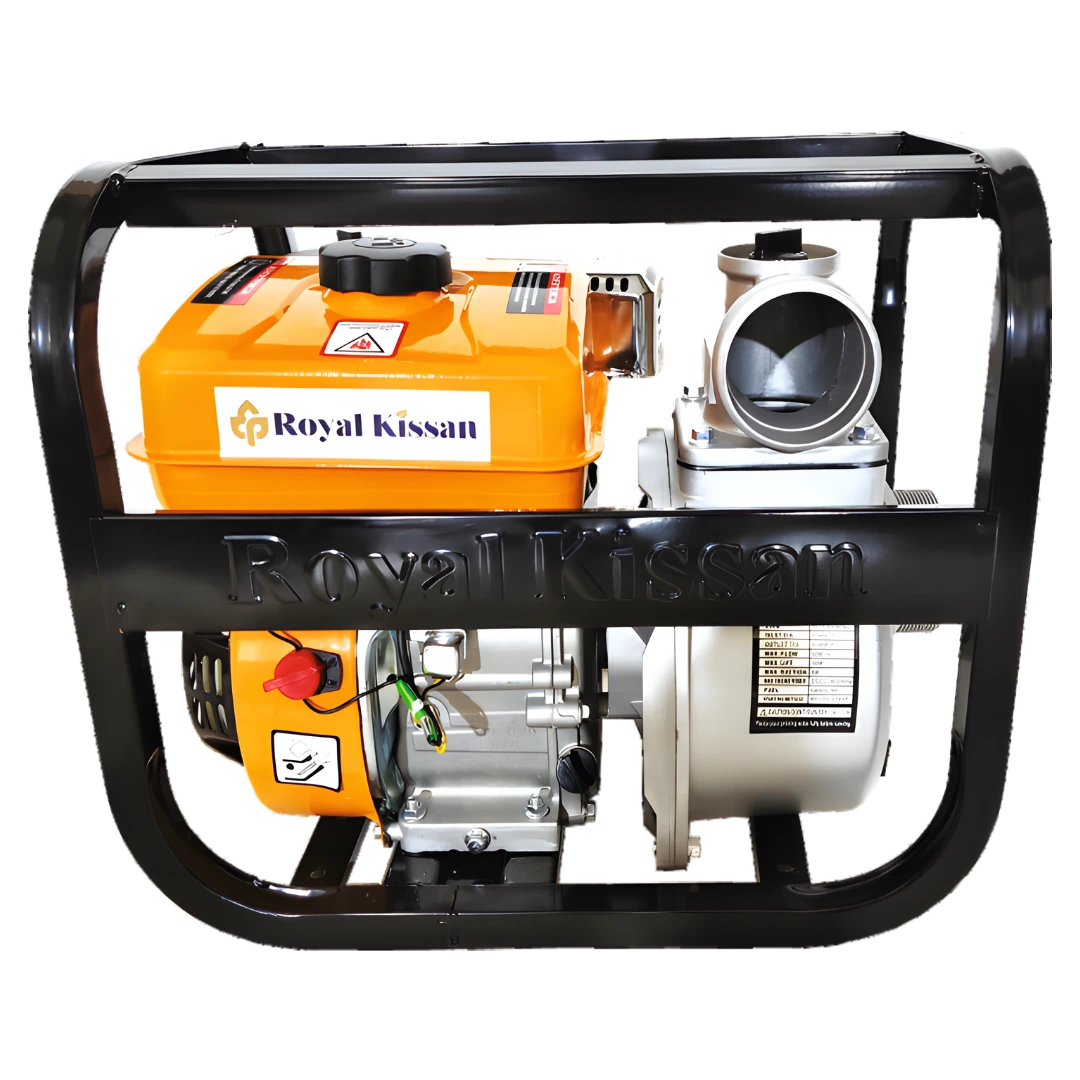
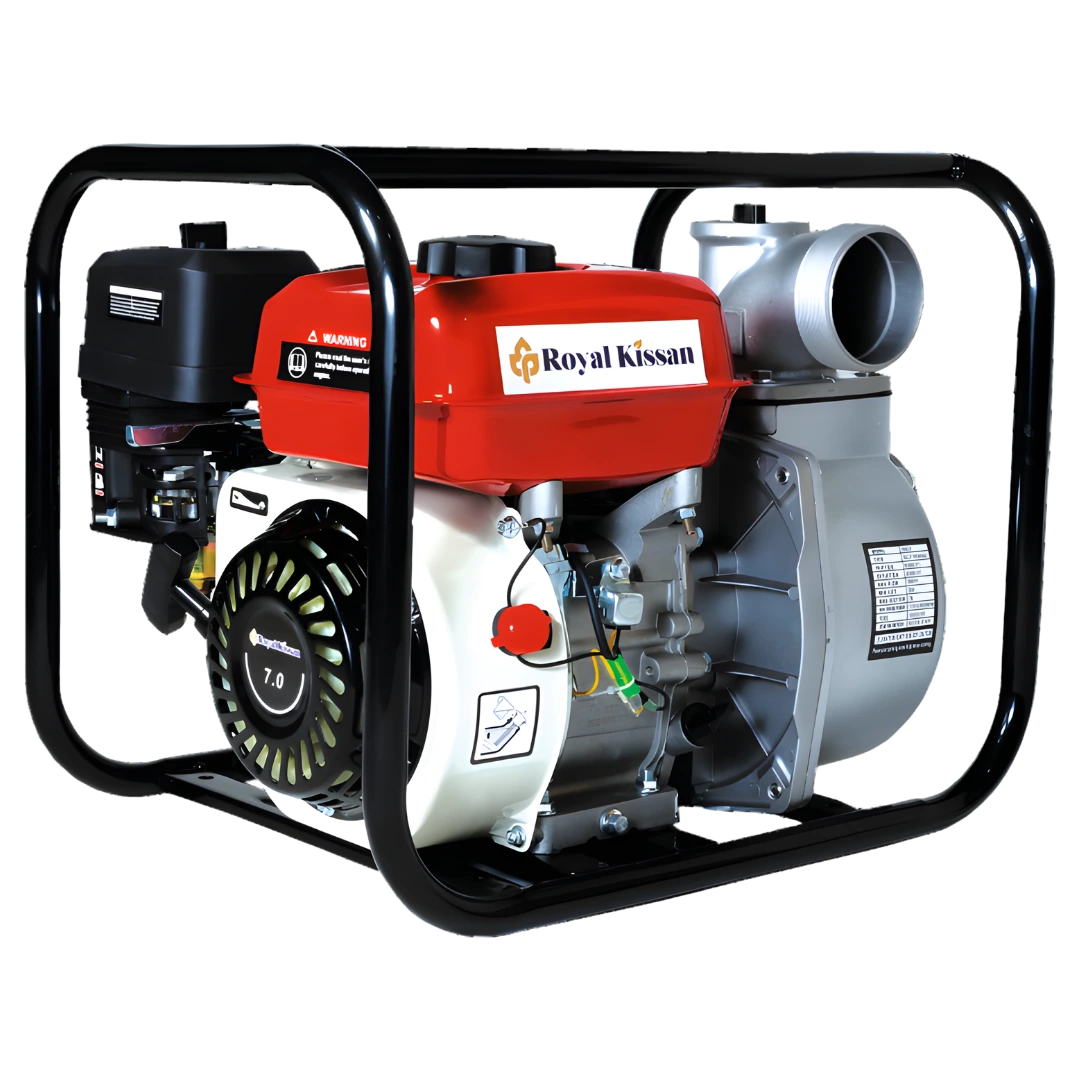
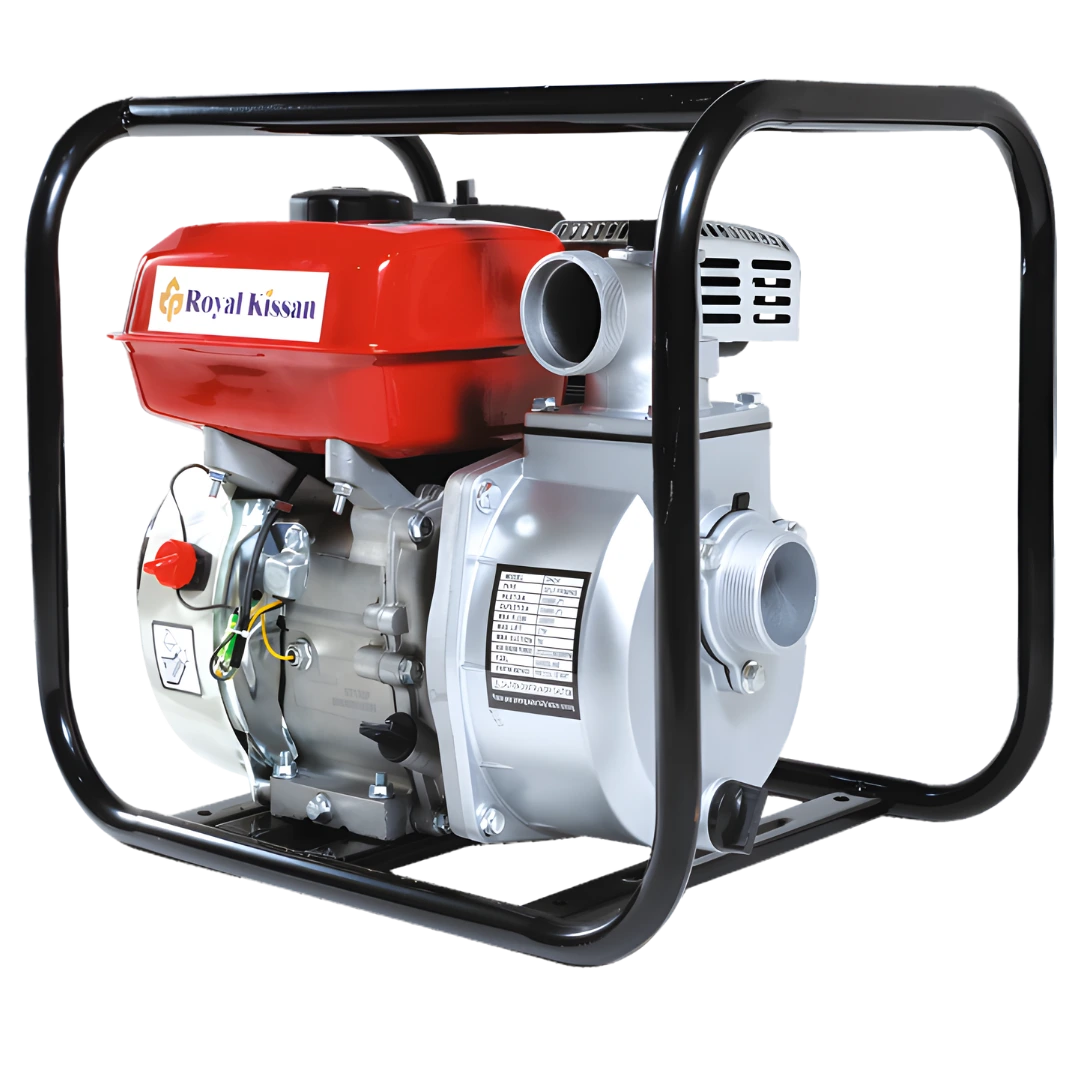
Built with robust 4-stroke engines and corrosion-resistant parts, they deliver strong suction (up to ~30m) and wide discharge for fast, reliable water flow across large fieldsβall with minimal effort and downtime.

Delivers strong lift, steady flow, and fuel-efficient performance for quick, uniform irrigation on any farm.
Ultra Premium 5.1HP Water Pump | RK-WP-UP3 | 212CC | 4-Stroke | Royal Kissan
Premium 5.1HP 4-Stroke Water Pump | RK-WP-P03 | 212CC Petrol Engine
Premium 5.1HP 4-Stroke Water Pump | RK-WP-P02 | 212cc Engine
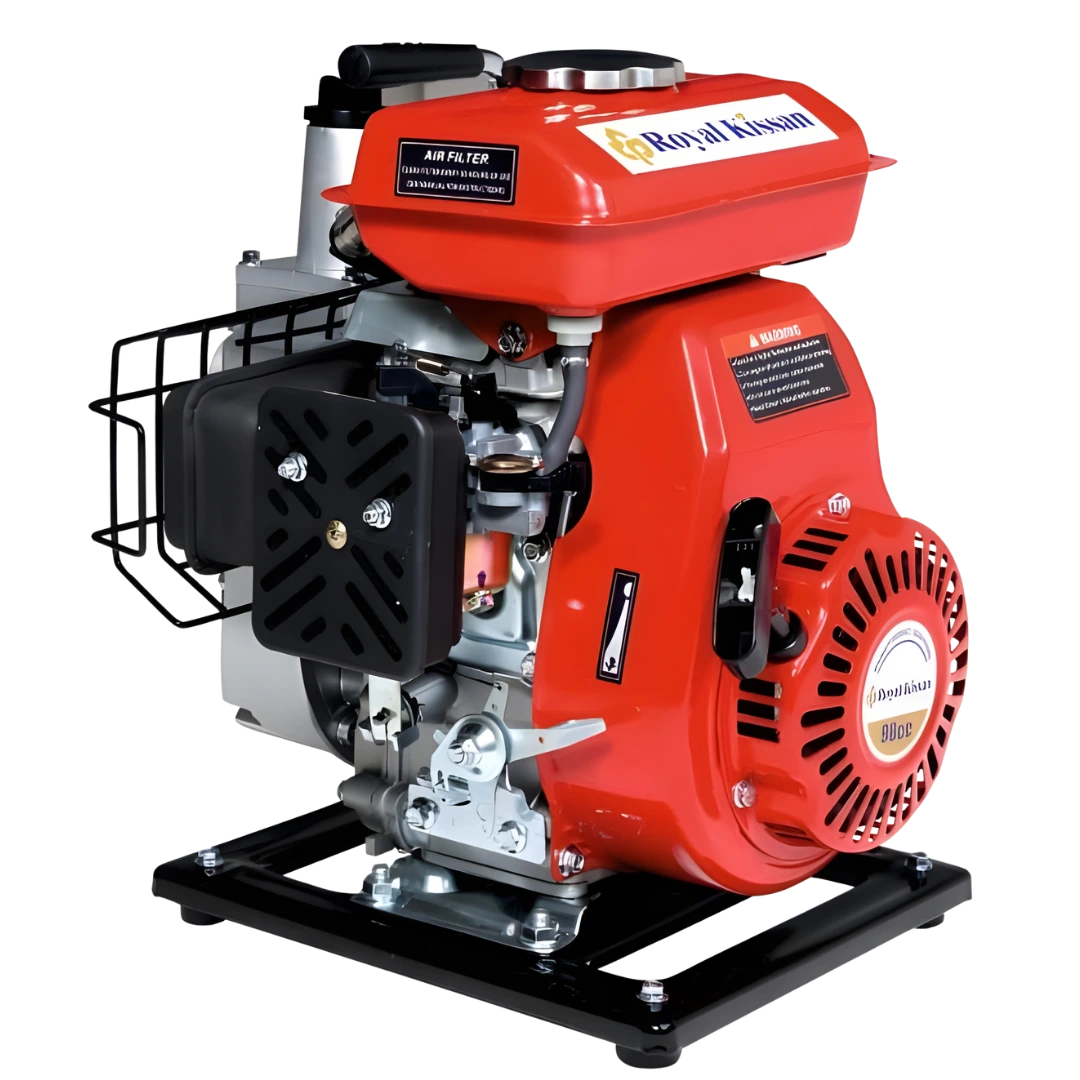
Premium 2.5HP 4-Stroke Compact Water Pump | RK-WP-P1.5 | 98cc Engine | Royal Kissan

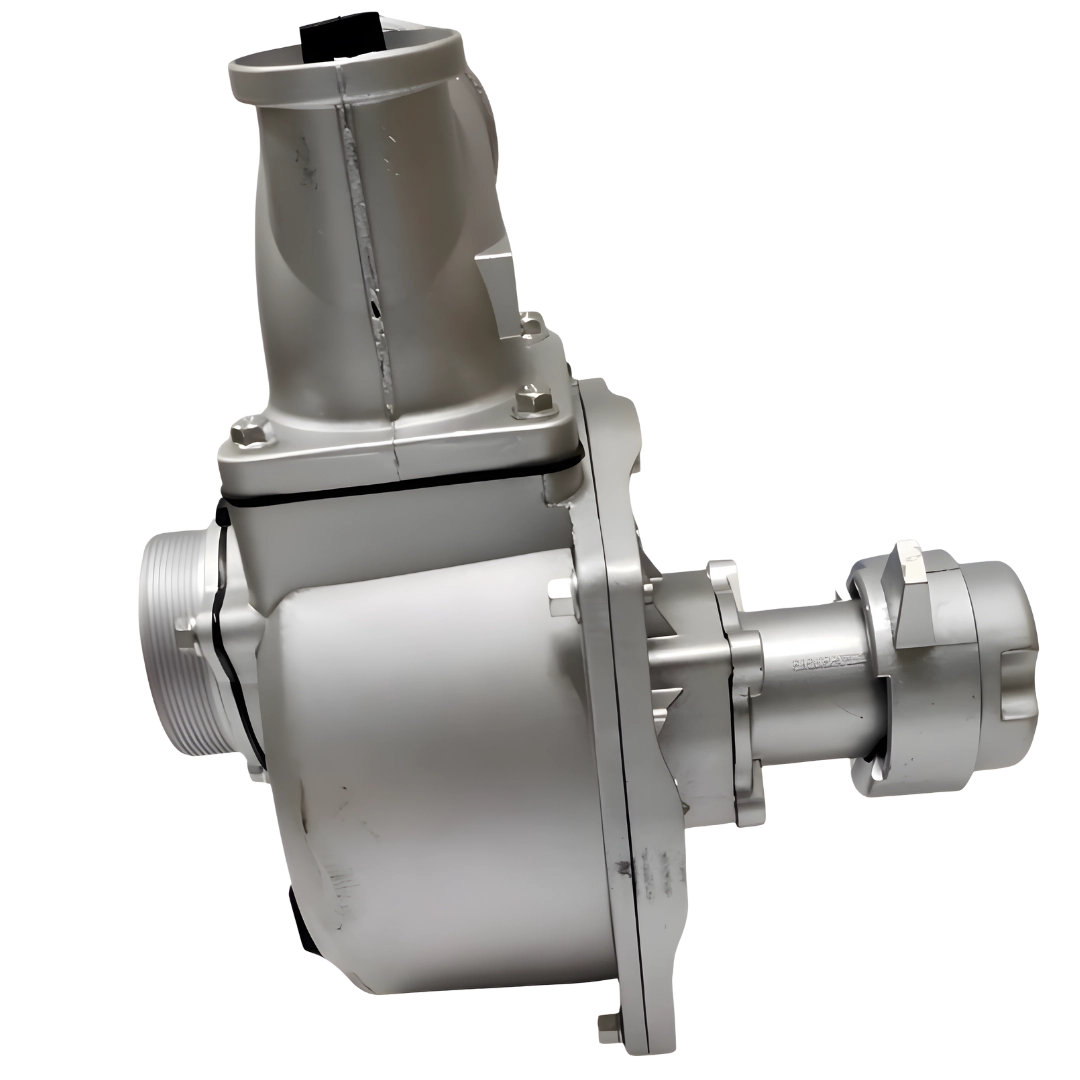
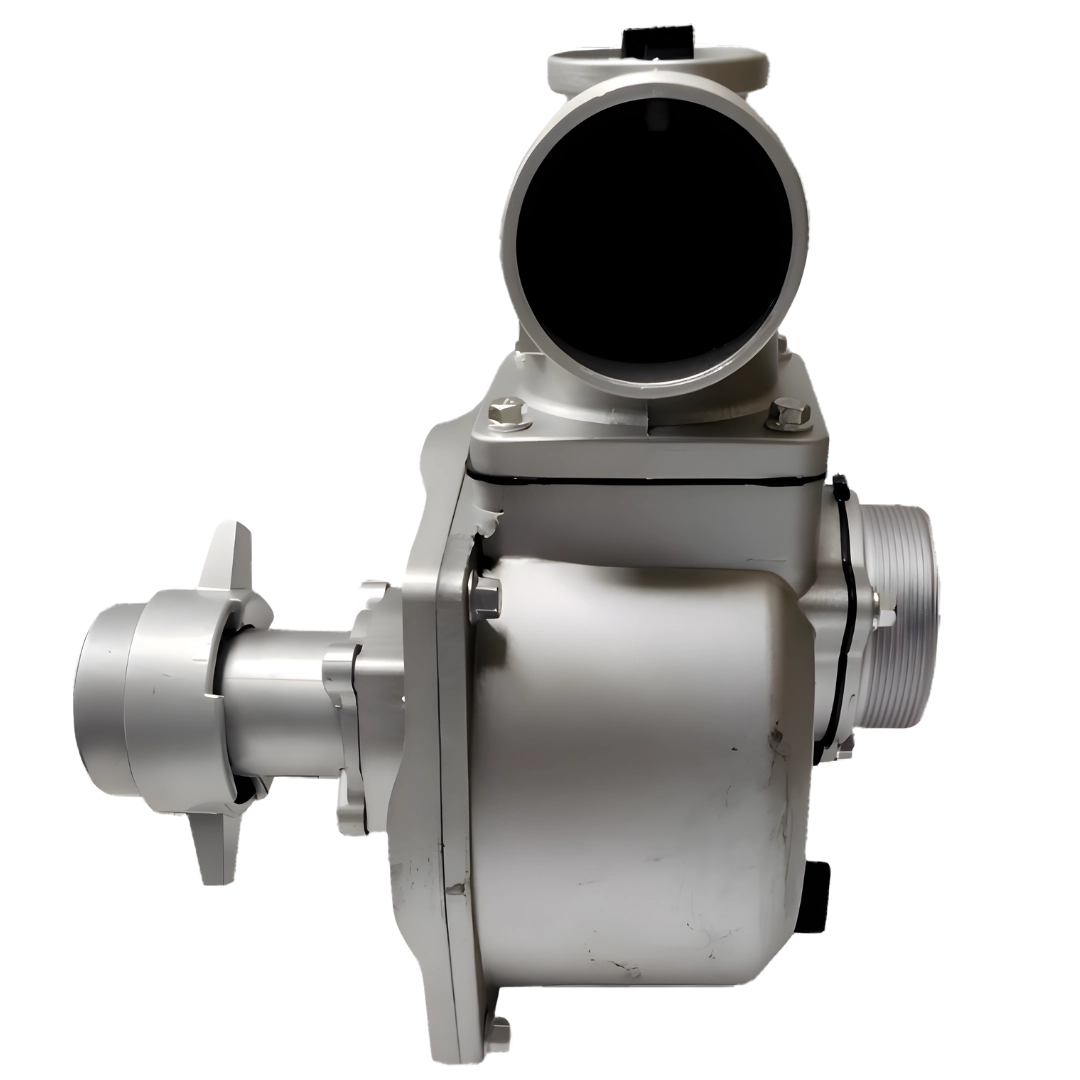
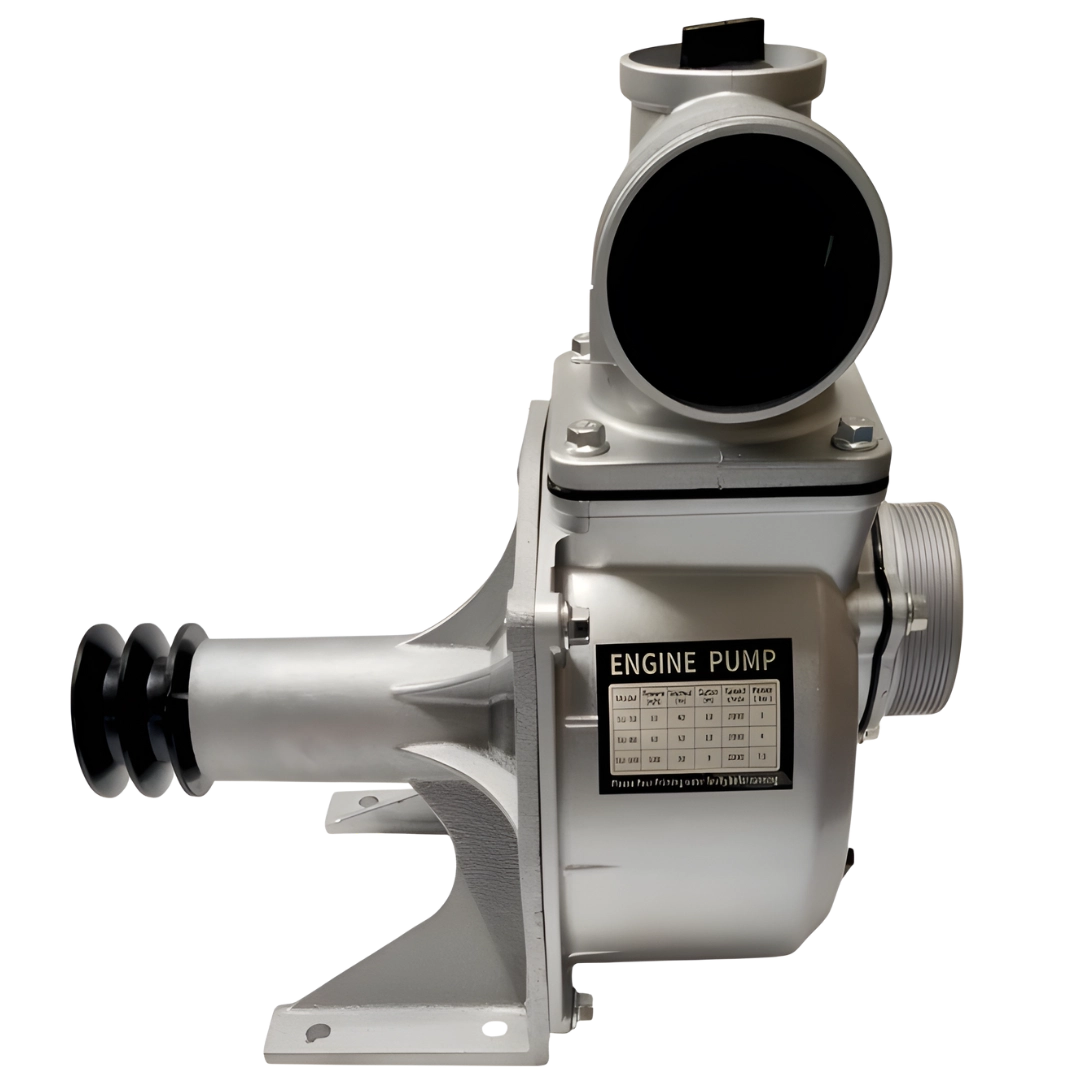
Uses PTO or belt drive to power durable pumps for heavy-duty irrigation, firefighting, and wash-downs.
Water Pump Attachment | Gear Drive Diesel Models | RK-PW-WP-D80 | 3 INCH / 80MM
Best Water Pump Attachment | Agricultural Equipment | RK-PW-WP-P80 | 3 INCH / 80MM
Belt Drive Water Pump Attachment | RK-SU80 | 3 INCH / 80MM

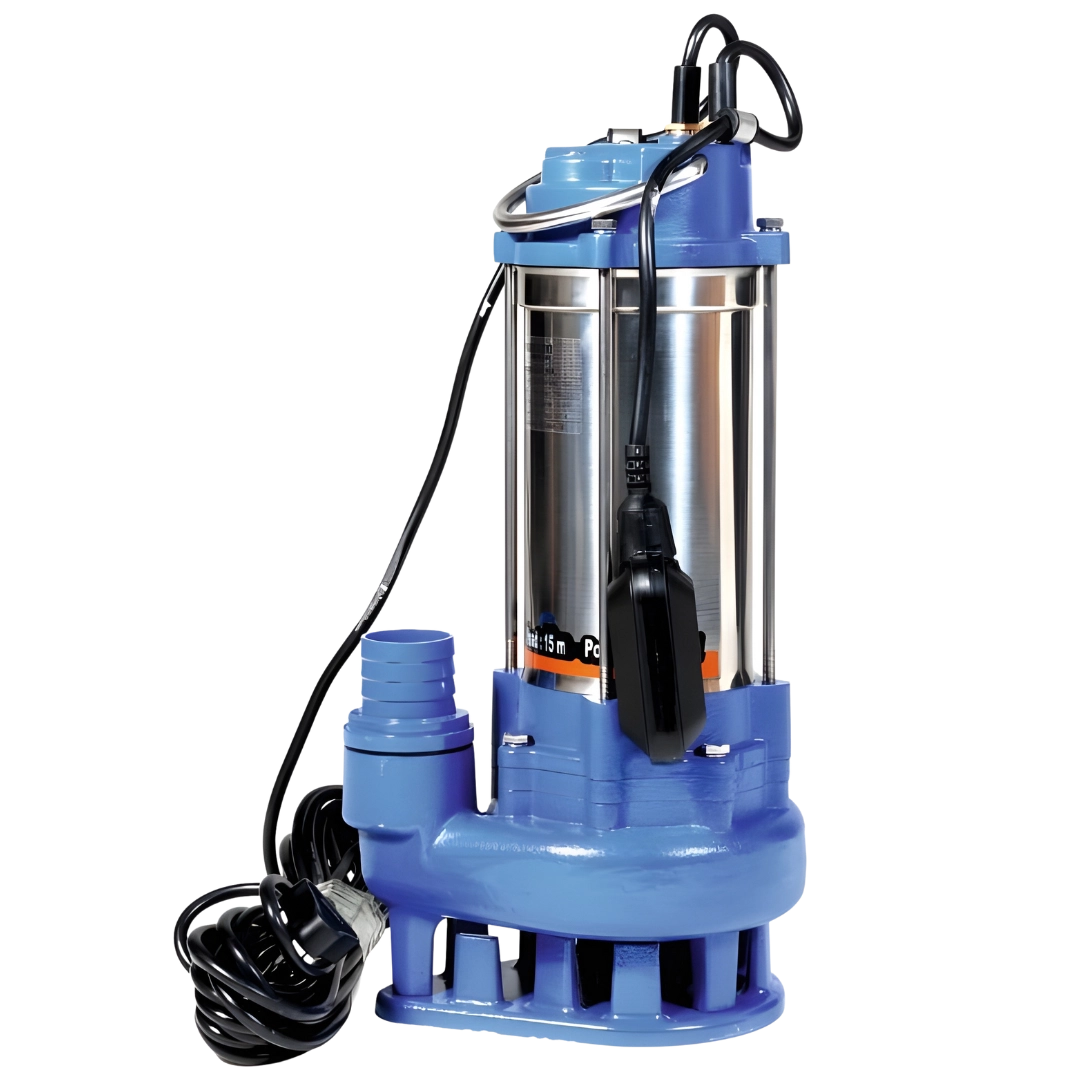
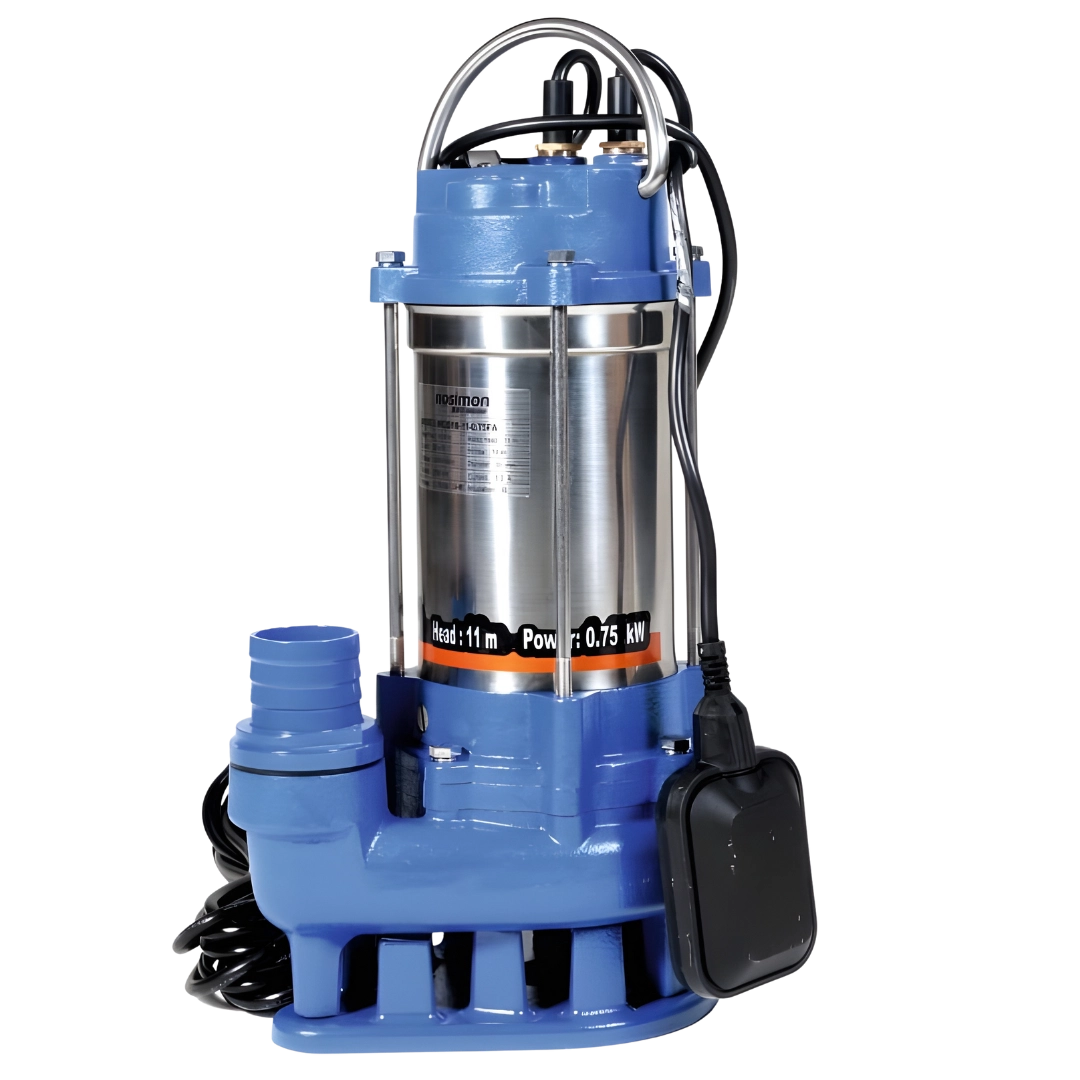
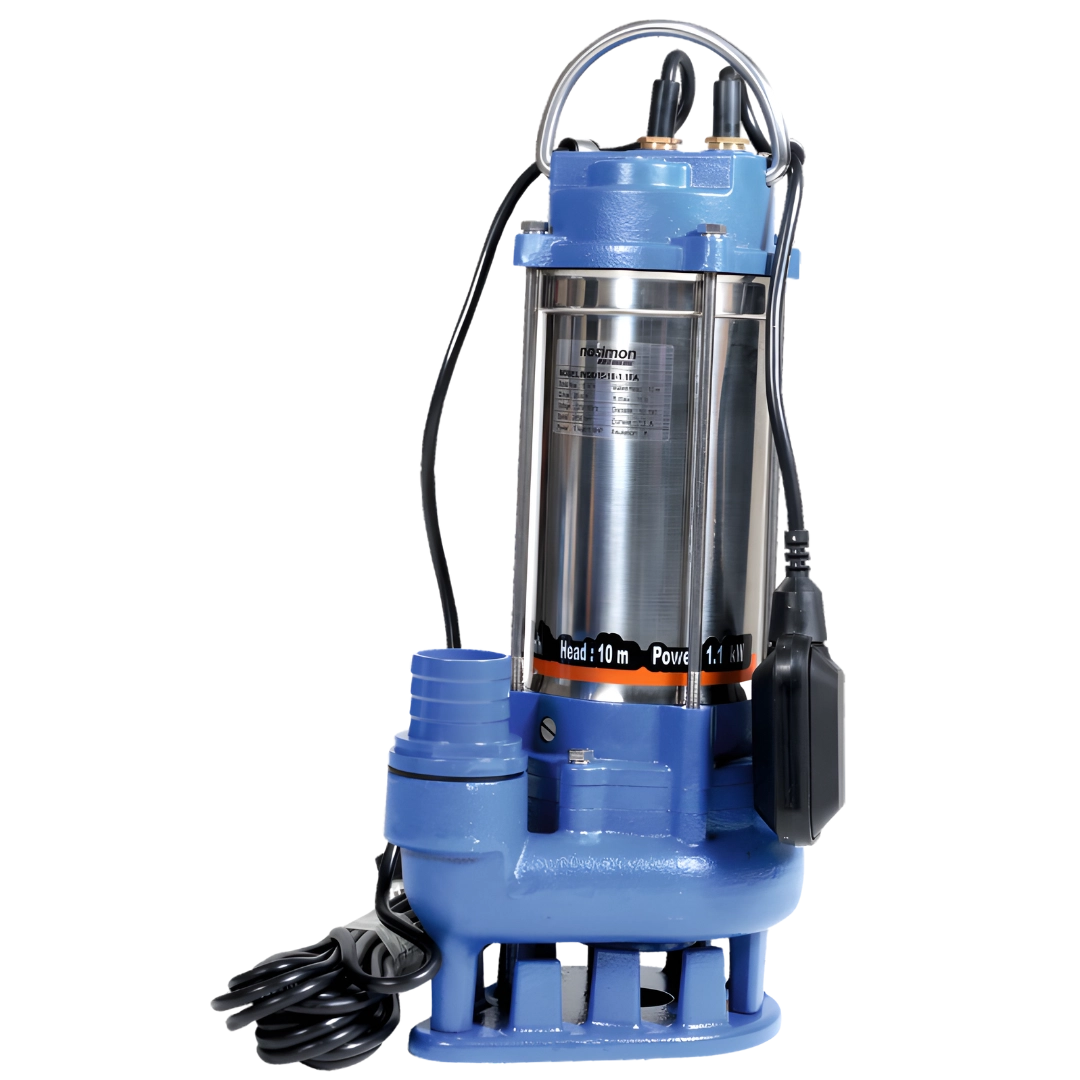
Submerged electric pump moves sludge or wastewater efficiently with quiet cooling, high lift, and clog-free output.
Royal Kissan Submersible Sewage Water Pump | 1HP High-Flow Model | WQD10-11-0.75A
Royal Kissan WQD15-10-1.1FA | Submersible Sewage Pump 1.5HP | 15M Head
Royal Kissan 1.5KW Sewage Pump | WQD15-15-1.5FA | 19M Head, 416L

Designed to deliver real value by mechanizing key tasks and boosting productivity
Farmer From
This pump easily lifts water from canal outlets for our sugarcane and banana fields. Its strong suction and high flow cover acres fast. The engine starts on first pull and runs smoothly all day. We use less fuel and finish irrigation in half the time.
Farmer From
In our large paddy and wheat fields, the pump delivers uniform water pressure across every section. Even after hours of continuous use, it stays cool and reliable. No clogging or loss of power. Weβve seen irrigation efficiency improve and water usage decrease.
Farmer From
Perfect for our banana and horticulture farms, the pumpβs high lift reaches distant canal levels easily. It maintains steady flow in humid, hot weather without overheating. The lightweight design means our operators handle it all day without fatigue. Itβs built tough for long hours.
Farmer From
We use this pump for irrigating cotton and chili plots. It handles uneven terrain with strong, consistent pressure. Even with long runs, the engine stays cool and fuel consumption is low. The pumpβs sturdy build has required no repairs so far, despite heavy use.
Farmer From
Our paddy fields and mango orchards benefit from the pumpβs high head and flow β it reaches the farthest field corners. The engine is easy to start and runs with low vibration. We save on fuel and time, and its reliability means we never worry during the peak season.
Farmer From
In the humid monsoon months, this pump performs flawlessly in rubber and vegetable gardens. Its corrosion-resistant parts resist rust in wet conditions. It maintains strong discharge even on hilly slopes. Quick to assemble and operate, it drains or fills reservoirs efficiently.

Everything you need to know about our products and services
Portable pumps are self-contained petrol (or diesel) engine units mounted on a frame or cart; theyβre used for general irrigation, pond draining and field work. Attachment pumps are driven by a tractor PTO or by a belt from an external engine (they donβt have their own motor) and deliver higher power and flow for large areas. Submersible sewage pumps are electric units placed inside water or slurry to pump waste and drainage; theyβre built to handle solids and continuous submersion.
Small farms and gardens usually use portable pumps with 1Β½β³β2β³ outlets. Medium farms benefit from larger portable pumps (2β³β3β³) for faster coverage. Very large farms or fields irrigated by tractors are best served by PTO/belt attachments for higher flow. Choose submersibles only for drainage, deep-sump pumping or wastewaterβ not for field irrigation. Base your choice on water source, field area and how fast you need coverage.
Most irrigation needs fall in the 20β30 m head range (β2β3 bar). Many portable pumps provide 18β30 m of lift, which is enough to draw from rivers, ponds or shallow wells and deliver water across fields. For very deep wells or long-distance delivery, choose pumps rated above 40 m head.
Flow depends on area and nozzle size. Small pumps (β1.5β³β2β³) usually deliver ~10β35 mΒ³/h, suitable for gardens and small plots. Larger pumps (3β³ and above) can deliver 40β50+ mΒ³/h for bigger fields. Heavy-duty submersibles often deliver 400+ L/min (β24 mΒ³/h) at moderate head. Higher flow covers more land faster; lower flow is fine for precise or small-area irrigation.
Yesβregular basic maintenance keeps pumps reliable. Clean intake screens and filters to prevent clogging; inspect and replace worn seals and gaskets; lubricate bearings and shaft fittings as recommended; and check hoses and clamps for tightness. After the season, drain water, dry components and protect exposed metal from rust. Simple, regular care prevents most problems.
Standard portable and PTO/belt pumps are best for relatively clean water and dilute liquids; abrasive or sludge-laden liquids will shorten life. For dirty water, sewage or slurry, use purpose-built submersible sewage pumps that handle solids and fibrous material and resist corrosion and blockages.
Yesβwhen selected and maintained properly. Petrol/diesel portable pumps with robust 4-stroke engines are designed for extended runs; PTO-driven attachments use tractor power meant for long duty cycles. Submersible pumps benefit from water cooling when submerged and are suitable for continuous duty. Observe service intervals and cooling/ventilation needs to avoid overheating.
Wear PPE (gloves, eye and ear protection). Refuel petrol engines outdoors with the engine off and cool. Never run a pump dryβalways ensure priming or water supply. Keep electrical pumps properly grounded and cables dry. Secure all hoses and clamps. Follow manufacturer pressure and operation limits and avoid makeshift repairs.
Two-stroke engines are lighter and simpler but need a fuel-oil mix and usually vibrate more. Four-stroke engines are heavier, run smoother, use fuel more efficiently and are better for long, continuous use. For heavy or all-day pumping choose 4-stroke; for very light, portable use a two-stroke can be acceptable.
Treat the pump as precision equipment: flush and clean after each use, lubricate moving parts on schedule, store it dry and covered, drain fuel or tanks if recommended, and replace wear items (seals, valves, filters) at the first sign of wear. Proper off-season storage and timely small repairs prevent major failures and extend working life.
WhatsApp us